

Choosing a breast implant is not only about size. The implant’s shape, projection, volume and surface can all affect the final result and how well it suits your individual frame. During consultations at MK Plastic Surgery, one of the most common questions patients ask is which type of implant will be the best fit for their body and goals.
This guide explains the main types of breast implants and how different options may suit different body shapes, helping you arrive at your consultation with a clearer understanding of your choices and the questions you may want to ask.
What Are the Different Types of Breast Implants?
Breast implants are grouped by several characteristics rather than a single “type.” The main choices are shape (round or teardrop), profile (how far the implant projects), volume, surface (smooth or textured) and material (silicone or saline). The most suitable implant depends on your chest width, the amount of natural breast tissue you have, your skin quality, and the result you want.
| Characteristic | What it affects | What to consider |
|---|---|---|
| Shape | Whether the result looks rounder or more sloped | Round or teardrop (anatomical) and which suits your build |
| Profile | How far the breast projects from the chest | Low, moderate or high projection relative to chest width |
| Volume | The degree of fullness added | Measured in cc and matched to your chest, not to a breast cup size |
| Surface | How the implant shell sits against the tissue | Smooth or textured, selected with safety and suitability in mind |
| Material | Feel and how a rupture is detected | Silicone or saline |
| Placement | Contour, movement and early recovery | Over or under the muscle |
Best Breast Implants for a Slim or Petite Frame
A slim or petite build usually means a narrow chest and limited natural breast tissue. These factors can influence which implant dimensions and placement are most appropriate. Options that may suit this body type include:
Higher profile with a narrower base: This can provide more projection without making the implant wider than the natural chest.
Soft silicone placed under the muscle: When there is less tissue covering the implant, placing it beneath the muscle can help create a smoother transition and reduce the visibility of implant edges or rippling.
Moderate, proportionate volume: Choosing an implant appropriate for the available tissue and chest width can help avoid an overly prominent result and reduce strain on surrounding tissues over time.
A teardrop-shaped implant can be an option for patients who prefer a more gradual, sloped appearance. However, a moderately sized round implant can also produce a natural-looking result on a slim or petite frame. The most suitable choice depends on your individual anatomy and aesthetic goals.
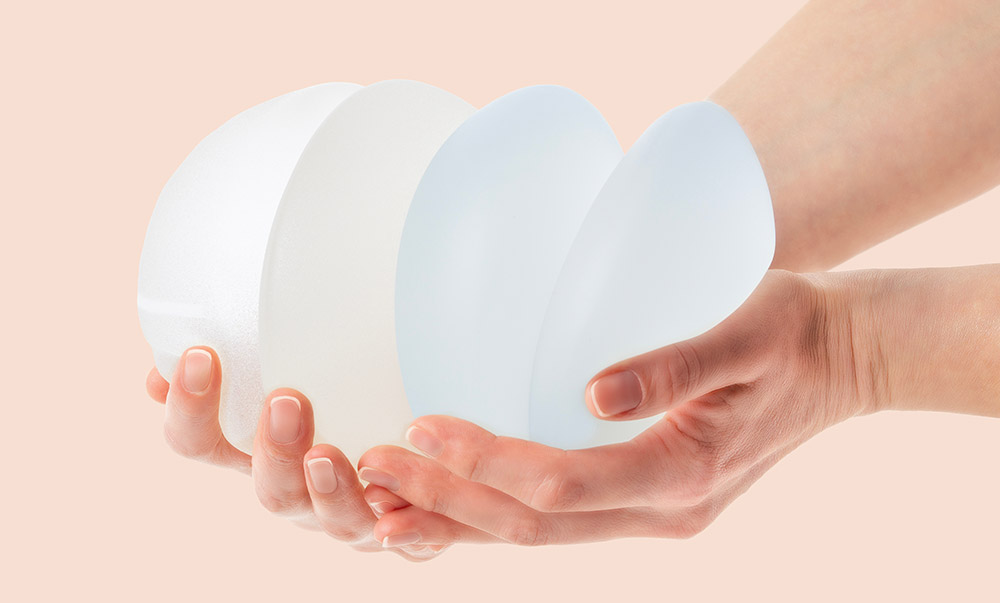
Breast implant options that may suit someone with a broad or wide chest include a round shape and a wider-based implant.
Best Breast Implants for a Broad or Wider Chest
A broader chest can accommodate an implant with a wider base, allowing fullness to be distributed across the chest rather than concentrated through projection. Options that may suit this frame include:
Low or moderate profile with a wider base: This can add fullness across a broader chest without creating excessive forward projection.
Round shape: A round implant can work well with a wider chest, especially when its base width complements the chest’s natural dimensions.
Slightly greater, proportionate volume: A broader chest may accommodate more implant volume while maintaining balanced proportions, as long as the implant remains appropriate for the surrounding tissue.
The goal is to create harmony between the implant and your overall chest dimensions, rather than simply choosing the largest or most projected implant possible.
Best Breast Implants for a Fuller Natural Bust
Patients with more natural breast tissue generally have greater flexibility when choosing an implant, as the existing tissue provides more coverage and helps create a smoother transition around the implant.
Round or teardrop shape: Patients with more natural breast tissue have greater flexibility, as the existing tissue can help soften the implant’s edges and create a natural transition with either shape.
Profile based on preference: With more tissue available for coverage, you can choose an implant profile based on your desired level of projection rather than being limited by your anatomy.
Placement based on individual anatomy: When there is plenty of natural tissue to cover the implant, the visual difference between placement over or under the muscle may be less noticeable. Your surgeon will consider your anatomy and desired result when recommending placement.
Moderate, proportionate volume: The implant should complement your existing breast shape and add the desired fullness without overwhelming your natural proportions.
Best Breast Implants for an Athletic Build
For patients who train regularly or participate in high-impact sports, factors such as chest muscle development and lower body fat can influence implant selection and placement. Key considerations include:
Moderate, proportionate volume: Implant volume matters for active patients, as a heavier implant may place greater strain on surrounding tissues and feel less comfortable during exercise.
Moderate profile in a round or teardrop shape: Either shape can work well for an athletic frame, with the profile selected according to your chest width, existing tissue and desired projection.
Placement suited to your activity level: An implant placed under the muscle can move slightly when the chest muscles contract, which may be noticeable during exercise. However, it can also provide a smoother upper-breast contour in patients with a leaner build, so the benefits and trade-offs need to be considered.

After pregnancy or a weight change, the right implant and approach depend on your breast volume, skin elasticity and the amount of natural tissue available to provide coverage.
Best Breast Implants After Pregnancy or Weight Change
Pregnancy, breastfeeding, and weight changes can affect breast volume and skin elasticity. The most suitable approach depends on the extent of these changes.
Good skin elasticity: If you have lost breast volume but your skin still has good elasticity, an implant selected to suit your current chest width and available tissue may be enough to restore fullness.
With excess or stretched skin: If pregnancy or weight loss has left excess or stretched skin, an implant alone may add volume without correcting the position of the breast. A breast lift with augmentation may provide a more balanced result.
Softer silicone implant: Silicone may be considered where the breast tissue has become thinner following pregnancy, breastfeeding or weight change, as a softer implant can help create a more natural transition.
Why Body Shape Matters More Than Cup Size
It is more useful to choose an implant based on your individual proportions than to aim for a particular cup size. The same implant can look very different on different body shapes. For example, a high-profile 350cc implant on a narrow chest will look different from the same implant on a broader chest.
Your chest width, skin quality and amount of natural breast tissue all influence which implant is likely to look balanced and feel comfortable. Larger, heavier implants can place more strain on the skin and supporting tissues, so choosing a volume that is proportionate to your frame can help create a more natural result that continues to suit you as your body changes over time.
Explore Your Breast Enhancement Options at MK Plastic Surgery
Breast implants are one option for creating a fuller, more balanced breast shape, but they are not the only approach. Depending on your anatomy and goals, other options may include:
- Breast augmentation with fat transfer uses your own fat to create a more subtle enhancement without an implant.
- Hybrid breast augmentation combines an implant with fat transfer to add volume while helping create a softer, more natural transition.
- Augmentation mastopexy combines the benefits of both a breast lift and breast augmentation.
At MK Plastic Surgery, each treatment plan is tailored to the individual. During your consultation, Mr Manaf Khatib will assess your chest shape, skin quality and existing breast tissue before discussing which implant or combination of procedures may be most appropriate for you. With a particular interest in breast surgery, he takes a considered and individualised approach to treatment and patient care.
To explore your breast enhancement options further, visit MK Plastic Surgery or book a consultation to discuss the approach that best suits your anatomy and goals.
FAQs
Which type of breast implant is the best?
There is no “best” breast implant. The most suitable option depends on your chest width, existing breast tissue, skin quality and desired result. Mr Khatib will consider factors including implant shape, profile, volume, surface and material before recommending an option that suits your anatomy. For patients seeking a natural feel, silicone implants are commonly considered, but the right choice is always personalised and should be determined after a clinical assessment.
Which type of breast implant looks more natural?
A natural-looking result depends on how the implant matches your individual anatomy, rather than on implant type alone. Factors such as implant volume, profile, shape and placement all contribute. In patients with less natural breast tissue, placing the implant under the muscle may help create a smoother transition. In contrast, both round and teardrop implants can produce natural-looking results when appropriately selected.
How do I choose between different implant types?
Start with your individual measurements rather than a target cup size. Your surgeon will assess your chest width, skin quality and natural breast tissue before recommending an implant shape, profile and volume. Trying different sizes and looking at relevant before-and-after photographs during your consultation can also help you understand how different options may look on your frame.
Can I feel breast implants after surgery?
Breast implants can sometimes be felt beneath the skin, particularly in patients with less natural breast tissue or where larger implants have been used. Choosing an appropriate implant volume and placement can help minimise how noticeable the implant feels. Mr Khatib will consider how much natural tissue you have when recommending the most suitable approach.
Do implant types affect recovery?
The implant itself generally has less influence on recovery than the surgical technique and placement. Larger implants may place more tension on the surrounding tissues, while implants placed under the muscle can cause more initial tightness and discomfort than those placed over the muscle.







 Online Marketing For Doctors