

Breast reduction surgery can provide significant relief for women with heavy, uncomfortable or disproportionate breasts, particularly when breast size contributes to back, neck or shoulder discomfort, difficulty exercising or problems with clothing fit. For women who may want children in the future, breastfeeding is often one of the most important considerations before deciding whether to proceed.
So, can you breastfeed after a breast reduction? The answer is not always a simple yes or no. Breastfeeding is possible for many women after breast reduction surgery, but it can depend on the surgical technique used, how much breast tissue is removed, whether the milk ducts and nerves are preserved, and individual factors that cannot always be predicted before surgery.
Breastfeeding After Breast Reduction: The Short Answer
Many women can breastfeed after a breast reduction procedure, although milk supply may be reduced compared to women who have not had surgery. The outcome largely depends on whether the milk ducts and nerves connected to the nipple are preserved during the procedure.
Modern breast reduction techniques aim to retain the nipple’s connection to the underlying breast tissue, ducts and nerve supply wherever possible. When these structures remain intact, the breast is more likely to produce and deliver milk. When larger volumes of tissue are removed or the nipple is fully detached and repositioned during surgery, the ability to breastfeed may be more limited.
How Does a Breast Reduction Procedure Affect Breastfeeding?
Breastfeeding relies on a network of milk ducts, glandular tissue and nerves working together. During a breast reduction, some of this tissue is removed to achieve a smaller, more proportionate breast shape, and the way this is carried out can influence feeding later on.
The Role of Milk Ducts and Glandular Tissue
Milk is produced in the glandular tissue and travels through the ducts to the nipple. If a significant amount of glandular tissue is removed or if ducts are divided during surgery, milk production and flow may be affected. Techniques that preserve a column of tissue beneath the nipple tend to give the best chance of successful breastfeeding.
Nipple Sensation
The nerves around the nipple play an important part in breastfeeding. They trigger the let-down reflex, which releases milk during feeding. When nipple sensation is preserved, this reflex is more likely to function normally. Some patients experience temporary or permanent changes in nipple sensation after surgery, which can, in turn, affect feeding.
Surgical Technique Matters
The technique used also affects the potential for breastfeeding. Methods that keep the nipple attached to the breast tissue on a pedicle, rather than removing and grafting it, are generally more favourable for preserving milk ducts and nerve supply. The amount of tissue removed and the position of the incisions also play a part.

There is some evidence that milk ducts and nerves can partially regenerate after a breast reduction procedure.
Do Milk Ducts Grow Back After a Breast Reduction Procedure?
There is some evidence that milk ducts and nerves can partially regenerate over time, a process sometimes referred to as recanalisation. This means that breastfeeding ability may improve with subsequent pregnancies, as breast tissue responds to hormonal changes during pregnancy and the ducts re-establish continuity.
For this reason, women who have had a breast reduction and were unable to fully breastfeed their first baby sometimes find they can produce more milk with later pregnancies.
Does a Breast Reduction Procedure Affect Milk Supply?
Breast reduction can affect milk supply, but the degree varies considerably between patients. Some women produce a full supply and breastfeed without difficulty, while others find their milk supply is affected and choose to combine breastfeeding with formula feeding.
A reduced milk supply does not mean breastfeeding is impossible. Many women successfully breastfeed with support and supplement with formula where needed. The key is monitoring your baby’s growth and feeding patterns, and seeking guidance early if supply seems low.
Tips for Breastfeeding After a Breast Reduction Procedure
If you have had a breast reduction and plan to breastfeed, a few practical steps can help give you the best possible start.
- Speak to a lactation consultant before your baby arrives so you have support in place from the beginning.
- Establish feeding early and often. Frequent feeding or expressing in the first days and weeks helps stimulate milk production.
- Watch your baby’s weight gain and wet nappies closely, as these are reliable signs of adequate intake. Don’t hesitate to involve your midwife, health visitor or GP if you have concerns.
- Consider combination feeding if your supply is partial. This allows your baby to continue receiving breast milk alongside formula, which many parents find a practical and reassuring approach.
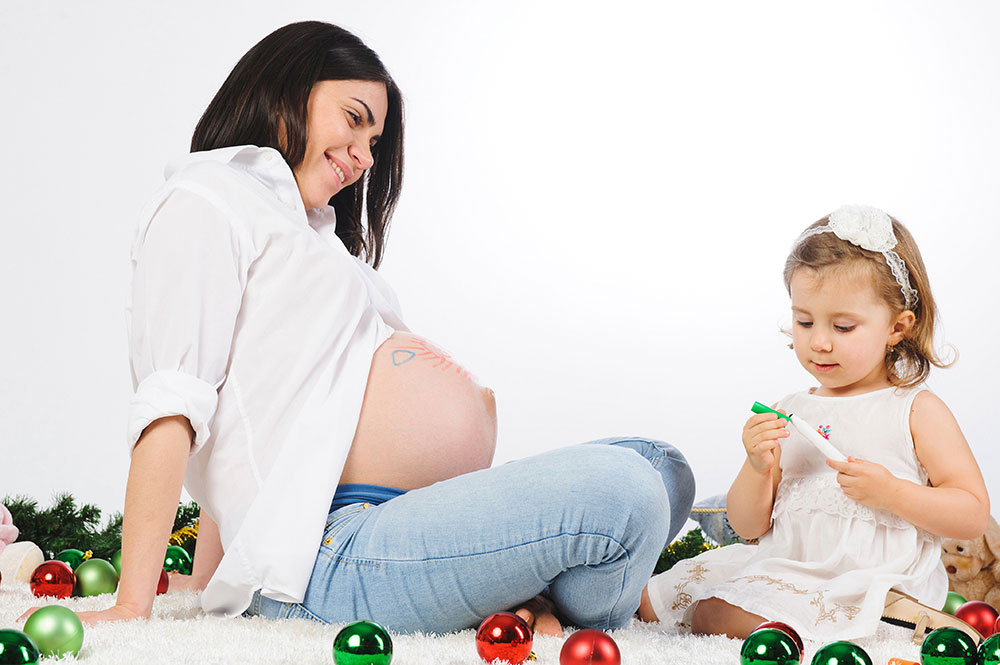
If you are planning future pregnancies or hope to breastfeed, it’s important to bring this up during your consultation with Mr Manaf Khatib.
Breast Reduction Surgery at MK Plastic Surgery
If you are planning future pregnancies or hope to breastfeed, it is important to share this during your consultation. Knowing your goals allows the procedure to be planned with techniques that give the best chance of preserving milk ducts and nerve supply.
At MK Plastic Surgery, Mr Manaf Khatib provides breast reduction surgery with a personalised approach, carefully assessing factors such as breast size, tissue quality and each patient’s individual goals (including if you have a desire to breastfeed in the future). He is known for his meticulous surgical technique and his patient-focused, ethical approach to care.
To learn more about breast reduction and the options available to you, you can visit MK Plastic Surgery or book an appointment to explore treatments tailored to your needs.
FAQs
Can I breastfeed after having breast reduction surgery?
Breastfeeding after a breast reduction is possible for many women, though it cannot be guaranteed and may call for additional support in the early weeks. As the outcome is influenced by your anatomy and the surgical approach, the most reliable way to understand your individual likelihood is to discuss your feeding goals with your surgeon before the procedure, so they can be considered as part of the surgical plan.
What happens if you have a baby after a breast reduction surgery?
Following a breast reduction, the breasts respond to the hormonal changes of pregnancy in much the same way they otherwise would, often becoming fuller and more tender as pregnancy progresses. These changes are a normal part of the body preparing for feeding and occur whether or not you go on to breastfeed.
How long should I wait after breast reduction surgery before getting pregnant?
There is no fixed rule, but many surgeons recommend allowing the body to heal fully and the breasts to settle into their final shape before conceiving, which can take anywhere from several months to a year.
Will breastfeeding after breast reduction surgery change the results of my surgery?
Yes, it can. Even following a breast reduction, the hormonal and physical changes of pregnancy and breastfeeding can affect breast size, shape and skin firmness. As a result, your breasts may settle differently once you have finished feeding, and some patients notice their reduction results soften or alter over time.
Does the amount of breast tissue removed affect breastfeeding?
It can. As milk is produced by glandular tissue, removing a greater volume may have a larger impact on supply. The surgical technique also plays a part, particularly whether the nipple remains connected to the underlying ducts and nerves. Discussing any plans to breastfeed with your surgeon beforehand allows this to be considered when planning your procedure.






 Online Marketing For Doctors