

Breast augmentation with implants is a commonly performed procedure at our specialist plastic surgery clinics in London and Hertfordshire. One of the most frequent questions patients ask during consultation is about the different types of breast implants available and how to determine which option may be most suitable for them.
Saline and silicone breast implants are among the most commonly used options in breast augmentation, and each has distinct characteristics. Factors such as how the implants feel, how they sit within the breast, incision requirements and long-term considerations can all influence which option may be more appropriate for your anatomy, lifestyle and aesthetic goals.
Are Saline or Silicone Implants Better for You?
Saline and silicone breast implants each offer different advantages depending on your anatomy, lifestyle and aesthetic goals. Silicone implants are often preferred for a softer, more natural feel, while saline implants may appeal to patients seeking smaller incisions or easier detection of ruptures. The best option is the one that complements your body shape and desired outcome safely.
What Are Breast Implants Made Of?
Both saline and silicone breast implants have a soft silicone outer shell, but the material inside the implant is what distinguishes them. Saline implants are filled with sterile salt water. They are usually inserted empty and then filled in place during surgery, allowing some flexibility in adjusting the size. If a saline implant ruptures, the body naturally absorbs the salt water over time.
Silicone implants are pre-filled with a soft silicone gel that is designed to feel more like natural breast tissue. Many modern silicone implants use cohesive gel, also called “gummy bear” implants, which help the implant retain its shape even if the outer shell is damaged.
In the UK, breast implants used in regulated clinics must meet strict safety and quality standards set by the Medicines and Healthcare products Regulatory Agency. Approved implants carry a CE or UKCA mark, confirming they have been assessed for safety, quality and performance before use in patients.
| Feature | Saline Implants | Silicone Implants |
|---|---|---|
| Filling | Sterile salt water | Silicone gel |
| Insertion | Inserted empty, filled in surgery | Pre-filled |
| Feel | Slightly firmer | Softer, closer to natural tissue |
| Incision size | Smaller | Slightly larger |
| Rupture detection | Visible deflation | Often silent, imaging may be needed |

Some of the differences between saline vs silicone implants include factors such as how they feel and their appearance.
Saline vs Silicone Implants: Key Differences
How They Feel
How a breast implant feels is one of the main differences patients notice when comparing saline and silicone options. Silicone implants are generally regarded as softer and more similar in feel to natural breast tissue, which contributes to their popularity among patients seeking a more natural result.
Saline implants tend to feel slightly firmer, particularly in patients with less existing breast tissue. Factors such as implant placement, implant size and individual anatomy can also influence the final feel of the breast.
Appearance and Rippling
Silicone implants are often associated with a smoother, more natural appearance and a lower likelihood of visible rippling beneath the skin. This can be particularly beneficial for patients with thinner skin or minimal natural breast tissue.
Saline implants are more prone to visible wrinkling or rippling, especially along the edges. Although placing the implant beneath the chest muscle can help minimise this, the likelihood of rippling is generally greater compared to silicone implants.
Incision and Recovery
As saline implants are inserted empty and filled after placement, they can often be inserted through a slightly smaller incision. This may be advantageous for patients concerned about minimising scar length.
Silicone implants are pre-filled and therefore require a slightly larger incision for insertion. Recovery following breast augmentation is typically similar for both implant types, although healing can vary depending on factors such as surgical technique, implant placement and individual tissue characteristics.
Longevity and Maintenance
Both saline and silicone breast implants are designed to be durable and long-lasting, although they are not considered lifetime devices. Many implants remain intact for well over ten years without issue.
A common misconception is that breast implants must routinely be replaced every ten years. In practice, replacement is generally recommended only if complications develop, such as rupture, capsular contracture, or noticeable changes in shape. With silicone implants, periodic imaging, such as ultrasound or MRI, may be advised to assess for silent rupture, in which damage to the implant shell may not produce obvious external changes.
What are the Pros and Cons of Saline Breast Implants?
Saline breast implants have been used in breast augmentation for many years and continue to be an appropriate option for certain patients.
Benefits
One of the main advantages of saline implants is that they can often be inserted through a slightly smaller incision, as the implant shell is filled after placement. This may be beneficial for patients who are particularly concerned about scar length or incision placement.
Another advantage is that rupture detection is usually straightforward. If a saline implant leaks or ruptures, the implant typically deflates noticeably as the sterile salt water is naturally absorbed by the body.
Drawbacks
Compared to silicone implants, saline implants generally feel firmer and may be less natural in texture. They are also more likely to show visible rippling or wrinkling beneath the skin, particularly in patients with thinner tissue coverage or lower body fat.
What are the Pros and Cons of Silicone Breast Implants?
Silicone breast implants are the most commonly used implant type for breast augmentation in the UK and are widely chosen for their natural feel and appearance.
Benefits
Silicone implants are typically softer and more similar in feel to natural breast tissue. For many patients, this contributes to a more natural-looking and natural-feeling result. Modern cohesive silicone gel implants are also designed to maintain their shape effectively over time, helping provide smooth contours and long-term structural stability.
Drawbacks
One of the main considerations with silicone implants is the possibility of a silent rupture, where damage to the implant shell may not produce obvious external symptoms. For this reason, periodic imaging, such as ultrasound or MRI, may be recommended as part of long-term monitoring. Silicone implants also require a slightly larger incision compared to saline implants, as they are inserted pre-filled.
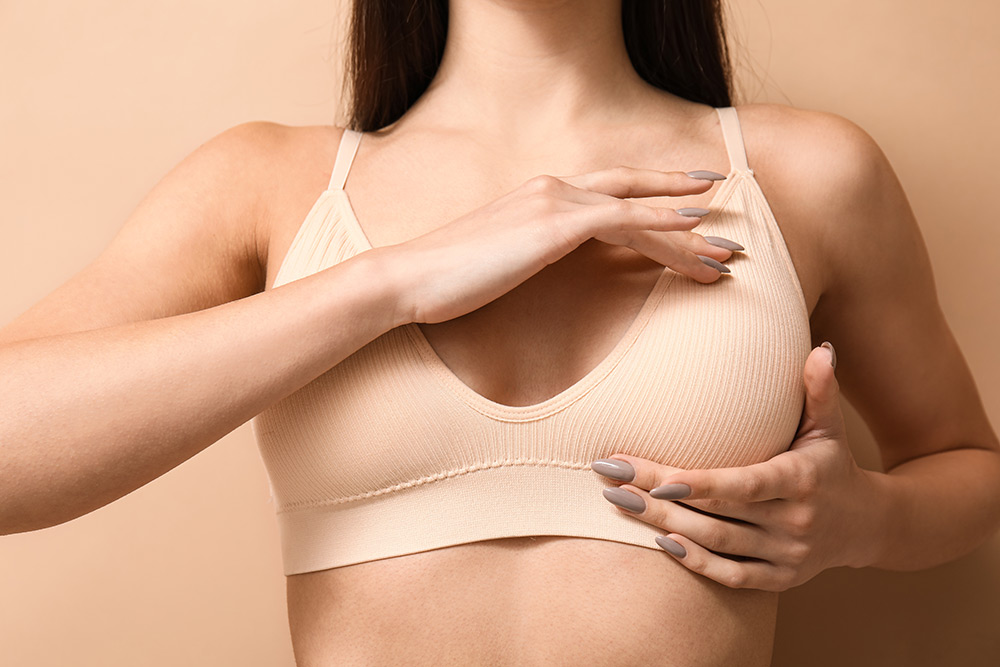
Factors such as your body shape, skin quality, existing breast tissue and lifestyle can help determine which breast implant may be suitable for you.
Breast Implant Comparison by Body Type and Lifestyle
Factors such as body shape, existing breast tissue, skin quality and lifestyle all play an important role in determining which implant is likely to provide the most balanced and long-lasting result.
Patients With Less Natural Breast Tissue
Patients with thinner tissue coverage or naturally smaller breasts often benefit from silicone implants, particularly when placed beneath the chest muscle. This additional coverage can help create smoother contours and reduce the likelihood of visible implant edges or rippling.
Patients Seeking Smaller Incisions
Some patients prioritise minimising incision size or scar length. As saline implants are inserted empty and filled once positioned within the breast pocket, they can often be placed through a slightly smaller incision compared to silicone implants.
Patients With Active Lifestyles
For patients who regularly weight train, run, or participate in impact sports, implant size and placement are often just as important as the implant type. In many cases, a smaller and appropriately supported implant may feel more comfortable and place less strain on the surrounding tissues over time.
Patients Seeking a More Natural Look and Feel
Patients seeking the most natural appearance and texture commonly choose cohesive silicone gel implants. Their softer consistency and smooth contours often help create a result that more closely resembles natural breast tissue.
Long-Term Comfort and Support
Long-term comfort should also be considered when selecting implants. Factors such as implant size, projection, weight and shell design can all influence how the breasts feel and age over time. Larger or heavier implants may place increased strain on the skin and chest tissues, regardless of whether the implant is saline or silicone.
A Personalised Approach to Breast Augmentation
Choosing between saline and silicone implants involves more than selecting a preferred size or appearance. The most appropriate implant should suit your anatomy, tissue characteristics, lifestyle and aesthetic goals, while also supporting long-term comfort and balanced proportions.
At MK Plastic Surgery, Mr Manaf Khatib specialises in silicone breast implants and takes a personalised approach to breast augmentation, carefully assessing factors such as chest shape, tissue quality and the type of result each patient hopes to achieve. Mr Khatib has a particular interest in breast augmentation surgery, is known for his meticulous surgical technique and has a patient-focused, ethical approach to care.
To learn more about breast augmentation and silicone implant options available, you can visit MK Plastic Surgery or book an appointment to explore treatments tailored to your needs.
FAQs
Which is better, saline or silicone implants?
Neither implant type is universally “better,” as the right choice depends on your anatomy, lifestyle, aesthetic goals and personal preferences. Silicone implants are often chosen for their softer, more natural feel, while saline implants may appeal to patients seeking smaller incisions or easier detection of ruptures. During consultation, your surgeon will assess which option is most suitable for your individual needs.
Do silicone implants feel heavier than saline?
Silicone implants can feel slightly heavier than saline implants of the same size due to the cohesive gel’s higher density. However, the difference is usually minimal and not noticeable for most patients in day-to-day activities. Factors such as implant size, projection and placement generally have a greater impact on overall comfort.
What is the healthiest option for breast implants?
There is no single “healthiest” breast implant option, as both saline and silicone implants are widely used and approved for use in regulated clinics. The most appropriate implant depends on factors such as your body type, tissue characteristics, surgical goals and medical history. Choosing a qualified and experienced surgeon is one of the most important factors in achieving a safe and suitable outcome.
Are saline implants safer than silicone implants?
Both saline and silicone implants are considered safe when used appropriately and when patients are properly assessed. One difference is that saline implant ruptures are usually immediately noticeable, whereas silicone implant ruptures can sometimes go unnoticed.
How do I choose between saline and silicone implants?
Choosing between saline and silicone implants involves considering several factors, including how you want the implants to feel, your natural tissue coverage, your incision preferences, your lifestyle and your desired appearance. Silicone implants are often preferred for a more natural look and feel, while saline implants may suit patients prioritising smaller incisions or simpler rupture detection. A personalised consultation can help determine which option best aligns with your anatomy and goals.







 Online Marketing For Doctors